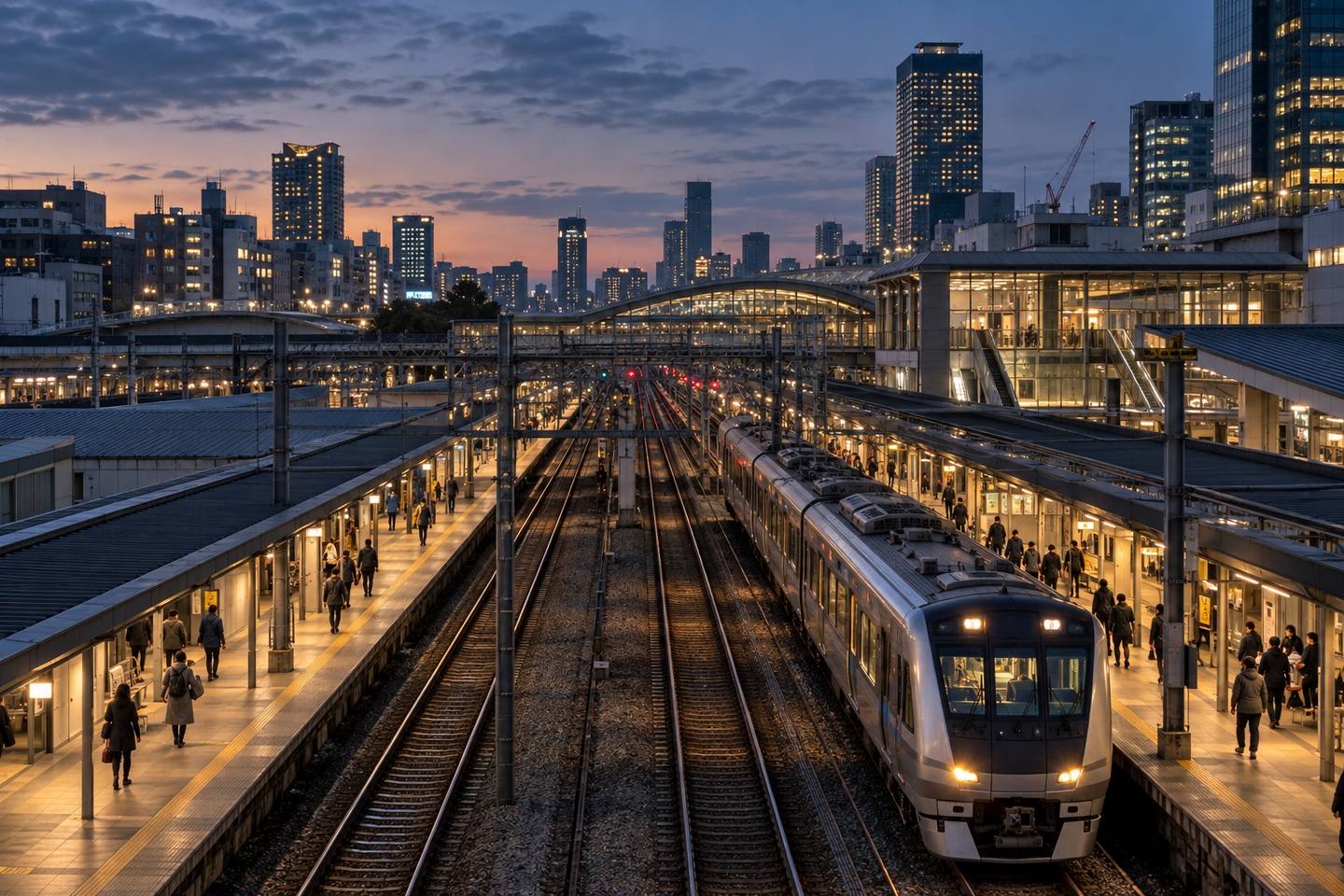
The City After the Commute
What happens when a city stops organising every part of its life around the journey to work?
Independent publication
What happens when a city stops organising every part of its life around the journey to work?
Prestige can be announced. Usefulness has to be demonstrated, quietly and repeatedly.
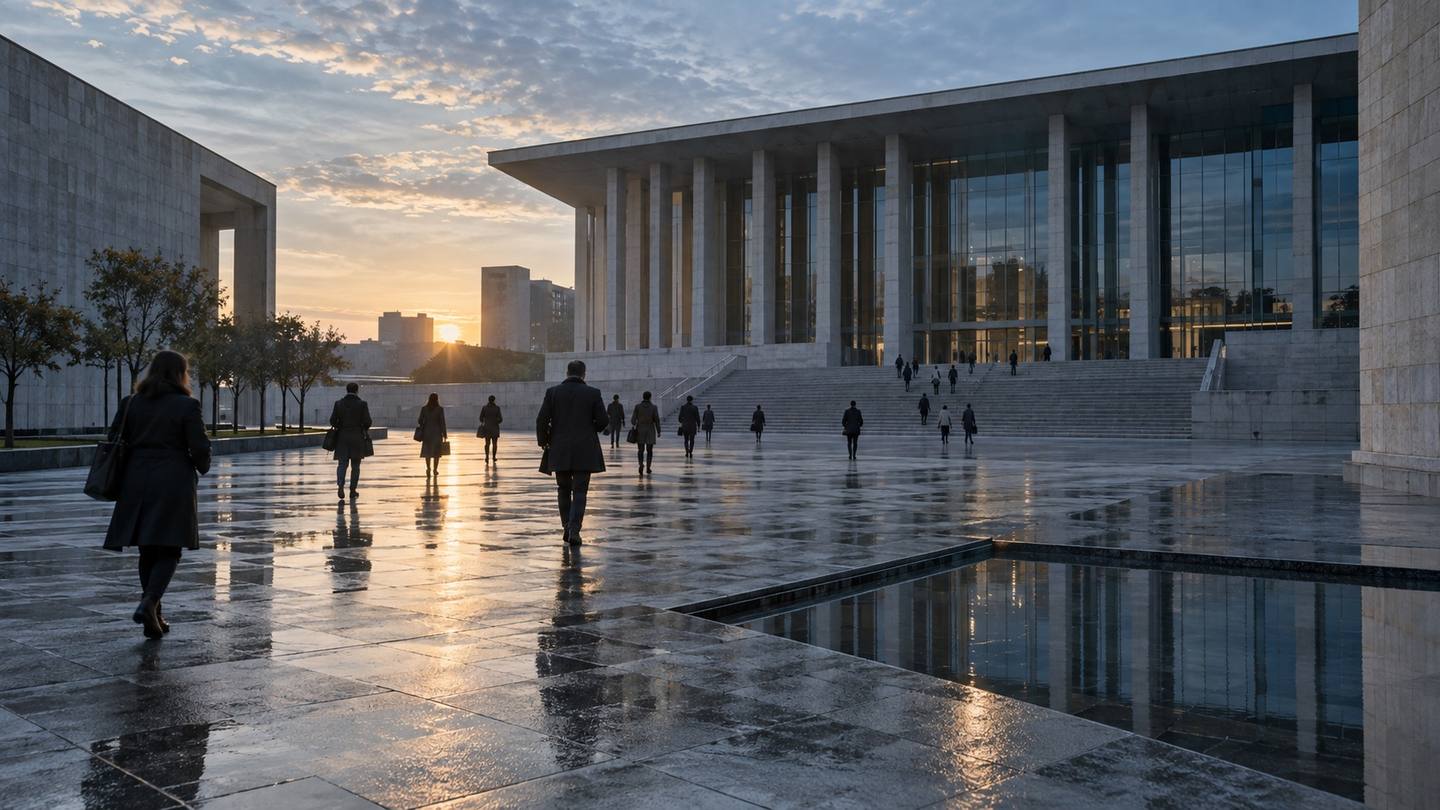
The institutions setting tomorrow’s agenda are no longer confined to the familiar capitals.
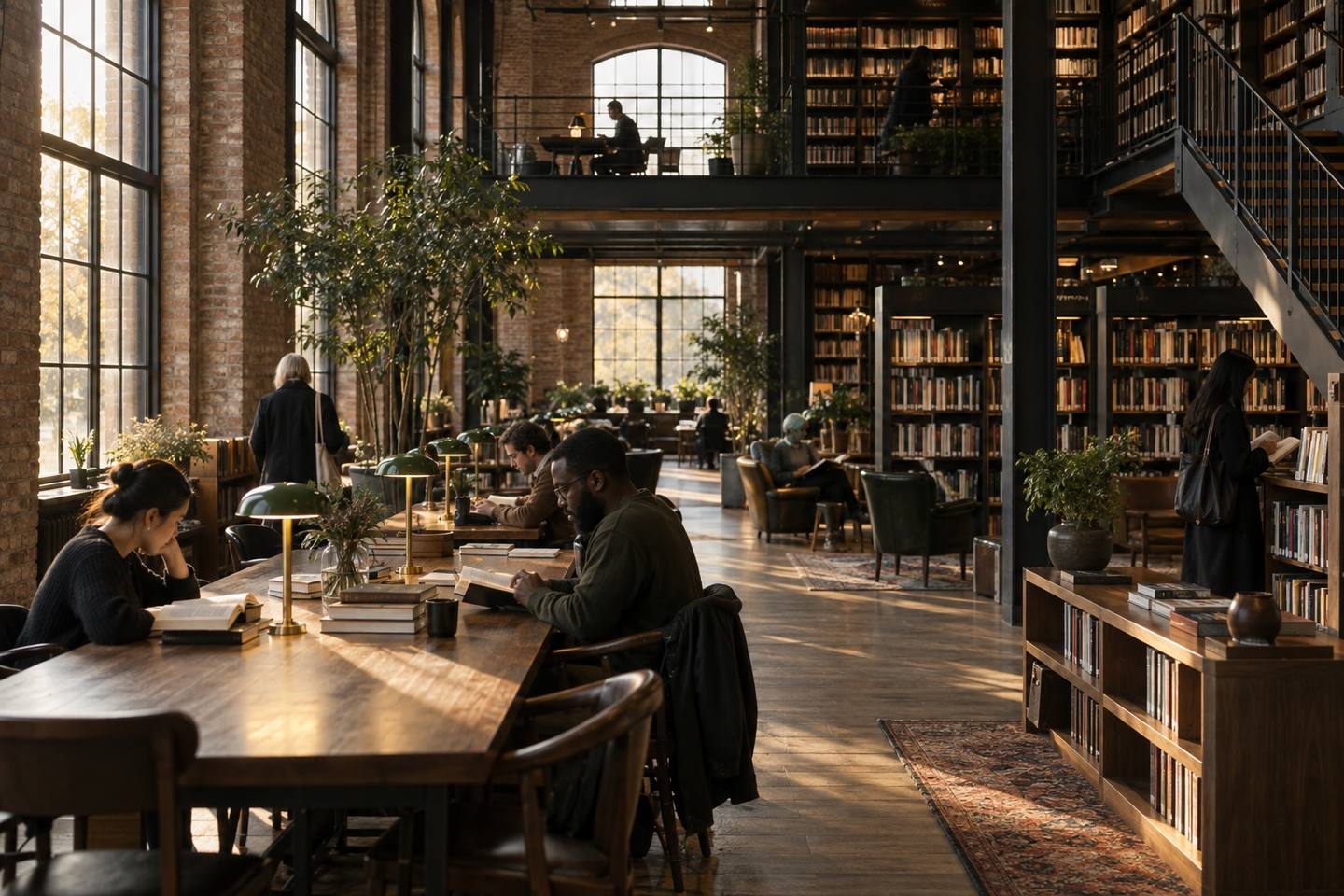
A fictional conversation about designing public rooms for the lives that unfold inside them.

An imagined independent shop offers something increasingly scarce: time without a demand.
What happens when a city stops organising every part of its life around the journey to work?
The institutions setting tomorrow’s agenda are no longer confined to the familiar capitals.

A demonstration live desk follows the questions behind a fictional public technology project.
The next technology cycle will be decided by deployment, maintenance and trust—not demonstrations.
A compact guide to the rate decision, the labour revision and the signal hiding in household spending.
A reading list about attention, institutional memory and the value of leaving some questions open.
What happens when a city stops organising every part of its life around the journey to work?
The institutions setting tomorrow’s agenda are no longer confined to the familiar capitals.
A visual essay on the public spaces that connect the purposeful parts of a day.
Readers are rediscovering the value of reporting produced close enough to notice what changed.
A fictional conversation about designing public rooms for the lives that unfold inside them.
An imagined independent shop offers something increasingly scarce: time without a demand.
Libraries are being asked to provide something the modern city has quietly misplaced: room to remain.
Signs, maps and small acts of maintenance determine whether a place feels navigable or indifferent.
Archives do more than preserve the past. They protect organisations from repeatedly forgetting themselves.